
Warm Homes Fund Consultation — What Oxfordshire Landlords Need to Know
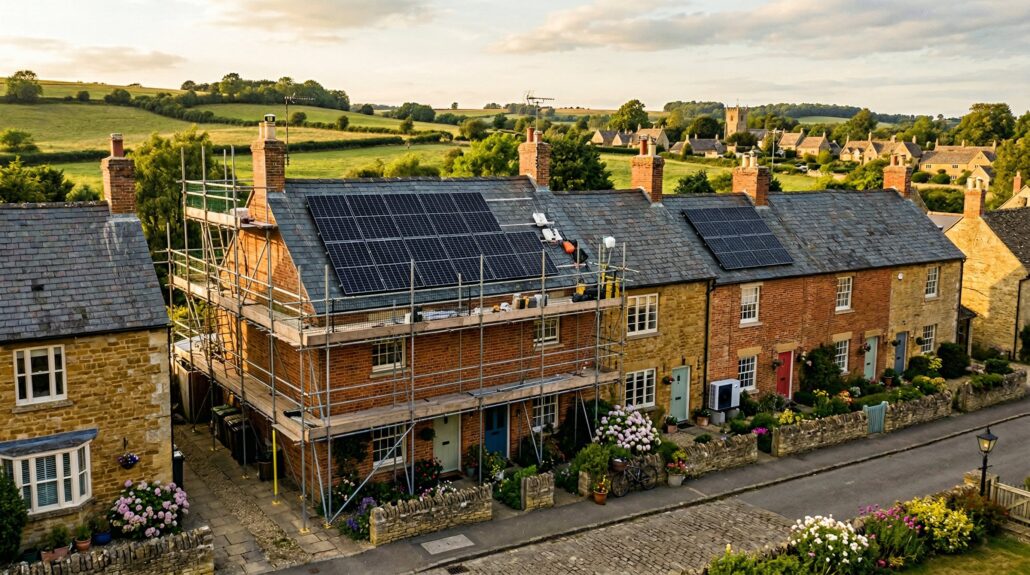
The government has launched a new consultation on the Warm Homes Fund, asking landlords and industry bodies how public finance should support energy-efficiency upgrades ahead of the 2030 EPC C deadline. If you are a landlord in Oxfordshire, this is your chance to shape the funding that could help cover the cost of bringing your property up to standard.
The call for evidence, open until 1 June 2026, explores how the government can accelerate the rollout of solar, battery storage, clean heating, and insulation. With the October 2030 compliance date now confirmed for all private rented properties, funding options will make or break the upgrade journey for thousands of landlords.
WHAT IS THE WARM HOMES FUND?
The Warm Homes Fund sits within the government’s broader Warm Homes Plan, announced in January 2026 and backed by £15 billion of public investment targeting upgrades to up to five million homes by 2030.
This latest consultation asks for evidence on how a £5 million fund could tackle the barriers landlords face — particularly upfront costs. It also explores whether loans might work better than grants, after earlier consultations found that many landlords were unaware of existing schemes or found them difficult to access.
WHY LANDLORDS ARE CALLING FOR MORE SUPPORT
The National Residential Landlords Association (NRLA) has warned that ministers cannot assume landlords form a wealthy, uniform group. NRLA chief executive Ben Beadle said: “We want all rental properties to be as energy efficient as possible. However, this isn’t going to happen without a serious plan to support the investments needed.”
The government’s own consultation response acknowledges the issue:
- Low awareness of grants: Many landlords did not know about existing funding or found the application process confusing
- Tenant-based eligibility: Most current grants are tied to tenant income, but landlords prefer to carry out works during void periods when the property is empty — making them ineligible
- Cost cap pressure: The new £10,000 cost cap per property (up from £3,500 under the old rules) covers the average estimated spend of £5,400, but may not stretch far enough for older or solid-wall properties
WHAT FUNDING IS ALREADY AVAILABLE IN OXFORDSHIRE?
If you have not yet explored what is already on offer, there are two schemes worth knowing about right now.
Warm Homes: Local Grant
Oxfordshire County Council runs the Warm Homes: Local Grant, providing fully funded energy-efficiency upgrades for eligible properties. To qualify, the property must have an EPC rating of D or below, and either the household income must be under £36,000 or the tenant must receive a qualifying benefit such as Universal Credit, Housing Benefit, or Pension Credit. Eligible measures include insulation, solar panels, and low-carbon heating systems.
Boiler Upgrade Scheme
The Boiler Upgrade Scheme (BUS) continues to offer up to £7,500 towards heat pump installation for properties in England and Wales. This is available regardless of tenant income and could significantly reduce the cost of meeting the new standard.
WHAT YOU SHOULD DO NOW
- Respond to the consultation: The call for evidence is open until 1 June 2026. Your input as a landlord directly influences how funding is designed — particularly whether grants become easier to access during void periods
- Get an EPC assessment: If your current EPC is more than a few years old, get a fresh assessment to understand where your property stands under the current system. Qualifying expenditure has been backdated to 1 October 2025, so improvements you have already made may count towards the £10,000 cap
- Check grant eligibility: Contact Oxfordshire County Council’s Retrofit Team to find out whether your property qualifies for Warm Homes: Local Grant funding before the allocation runs out
- Plan ahead of the rush: With 2.5 million private rented properties estimated to fall below EPC C, installer availability will tighten as the deadline approaches. Early movers will secure better prices
FREQUENTLY ASKED QUESTIONS
When does the EPC C requirement come into effect?
All private rented properties in England and Wales must meet EPC C or equivalent by 1 October 2030. This is a single deadline for both new and existing tenancies.
How much will I have to spend on upgrades?
The cost cap is £10,000 per property over a 10-year period. If you spend up to this amount without reaching the standard, you can register an exemption. The government estimates the average spend will be around £5,400 per property. Qualifying spend has been backdated to October 2025.
Can I access the Warm Homes: Local Grant as a landlord?
Yes, but eligibility is currently based on tenant income rather than landlord income. The property must have an EPC of D or below, and the tenant must have a household income under £36,000 or receive a qualifying benefit. This is one of the issues the new consultation is seeking to address.
How do I respond to the Warm Homes Fund consultation?
The call for evidence is open until 1 June 2026 on the GOV.UK website. The NRLA and other landlord bodies are also coordinating responses if you prefer to contribute through an industry group.
BOOK AN EPC ASSESSMENT
E8 Property Services helps landlords across Oxfordshire understand their EPC obligations and plan cost-effective improvements. Whether you need a fresh EPC to see where you stand or practical advice on which upgrades will have the biggest impact, we can help.
Book an EPC assessment or call 01865 339535 to discuss your property.
