
Energy-Efficient Rentals Now Earn GBP 85 a Month More — The EPC Premium Is Real
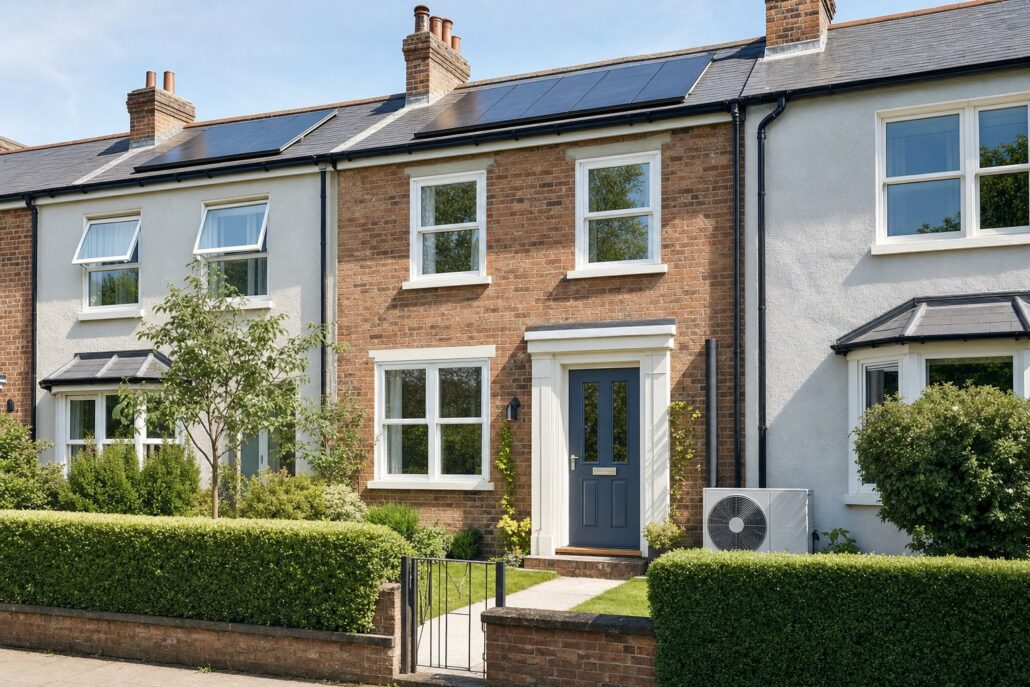
Tenants in England now pay an average of GBP 85 per month more to rent an energy-efficient property than a similar D-rated home. New data from The Mortgage Works confirms what landlords have been telling us for months: EPC ratings are no longer just a compliance tick-box — they are a direct driver of rental income.
An A or B-rated rental attracts an 8.1% rental premium over a similar D-rated home, equating to roughly GBP 85 per month at typical UK rents. In 2024 that figure was 7.0% (GBP 70). In one year, the gap between the most and least efficient rental homes has widened by 16%.
WHY EPC RATINGS NOW DRIVE RENTAL VALUES
Two things are happening at once. Energy bills remain stubbornly high, so tenants are increasingly aware that an efficient home costs less to run. Meanwhile, the supply of efficient rental stock is growing unevenly — newly built homes are typically EPC C or above, but Oxfordshire’s older stock has barely moved.
The numbers tell the story:
- 51% of UK rental homes are now rated EPC A-C, up from just 25% ten years ago
- 97% of newly built rental homes achieve a C rating or better
- 13.3% premium for A or B-rated rentals in the North of England, where lower property values have made upgrading more financially attractive
- 1.7% discount applied to E-rated homes compared to D-rated, equating to around GBP 18 per month less rent
WHAT THE PREMIUMS LOOK LIKE BY EPC BAND
The Mortgage Works data shows the rental gap widening at the top of the rating scale and narrowing at the bottom:
- A or B rated: 8.1% premium vs. D (around GBP 85 per month)
- C rated: 1.8% premium vs. D (around GBP 20 per month)
- D rated: Baseline — the most common rating
- E rated: 1.7% discount vs. D (around GBP 18 less per month)
Tenants pay around GBP 65 per month extra between a C-rated property and a genuinely efficient one — GBP 780 of additional income per year per property.
SALE VALUES TELL A SIMILAR STORY
Nationwide’s parallel research shows a similar picture for owner-occupiers: A or B-rated homes attract a 1.7% sale premium over D, while F or G-rated homes are valued 3.5% lower — wiping roughly GBP 12,000 from the sale value of a typical Oxfordshire rental. The combined effect of higher rent and stronger sale value gives efficient stock a financial advantage that compounds year on year.
THE COST QUESTION
The challenge, as Propertymark’s Megan Eighteen pointed out this week, is that costs vary dramatically by property age. The Mortgage Works puts the average upgrade cost at:
- Pre-1919 properties: Around GBP 10,700 to reach EPC C — right at the GBP 10,000 MEES cost cap
- Properties built 2003 to 2013: Around GBP 2,500 to upgrade from D-G to C
This is why ARLA Propertymark is urging the government to keep targets realistic. Without proper funding, Megan Eighteen warned, “there is a real risk that landlords will scale back investment or exit the market.”
WHAT THIS MEANS FOR OXFORDSHIRE LANDLORDS
Oxfordshire’s rental stock skews older than the national average — pre-1919 stone cottages, Victorian terraces, and 1930s suburban semis. These are exactly the properties where upgrade costs are highest, but where the rental premium for getting it right is also greatest.
- Run the numbers: An GBP 85-per-month premium is GBP 1,020 per year, or GBP 10,200 over 10 years — roughly the upgrade cost for an older property. Energy efficiency now pays for itself
- Stack grants and exemptions: The GBP 7,500 Boiler Upgrade Scheme, fully funded Warm Homes: Local Grant, and 0% VAT until March 2027 reduce real-world spend significantly
- Consider the sale value too: If you plan to sell within five to ten years, an EPC C rating protects against the F/G discount that is already showing up in sale prices
- Get an EPC assessment now: Your starting point determines which improvements will move the needle. A fresh EPC pays for itself many times over by directing your spend to the right measures
FREQUENTLY ASKED QUESTIONS
How accurate are these rental premium figures?
The data comes from The Mortgage Works, part of Nationwide Building Society and one of the UK’s largest buy-to-let lenders. The figures are based on 2025 rental data across England and are corroborated by Nationwide’s separate research into the owner-occupier market.
Why is the premium higher in the North of England?
Property values are lower, so upgrade costs represent a bigger proportion of total value. Landlords have been more willing to invest, and tenants there still pay a meaningful premium for efficient homes.
Can I recover the upgrade cost through higher rent?
For most properties, yes — particularly when grants and 0% VAT relief are factored in. Payback periods range from around 8 to 12 years for pre-1919 properties, dropping to 2 to 3 years for newer homes, plus better tenant retention, lower voids, and sale-value uplift.
What if I cannot reach EPC C?
The GBP 10,000 cost cap exemption protects you. Spend up to the cap on recommended improvements and, if your property still falls short, you can register an exemption and continue letting.
BOOK AN EPC ASSESSMENT
E8 Property Services helps Oxfordshire landlords identify which improvements will deliver the strongest return — both in EPC rating and in rental income.
Book an EPC assessment or call 01865 339535 to discuss your property.

