
The Home Information Pack — Why It Was Killed, Why It Was Right, and Why It Matters Now
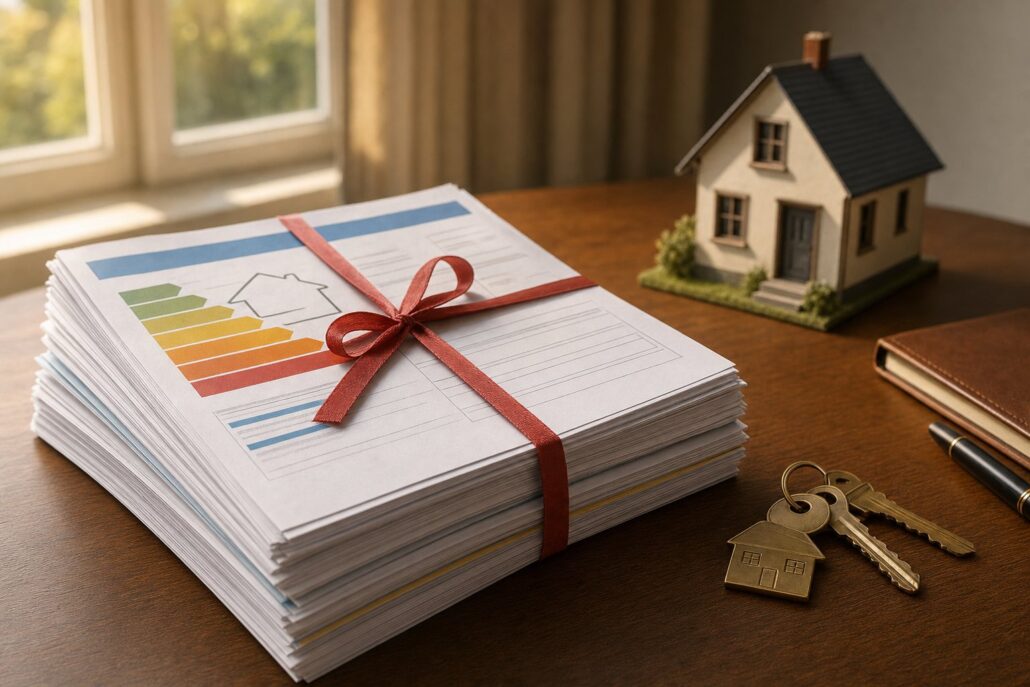
In 2007, England and Wales tried to fix the broken house-buying process. By 2010, the fix was scrapped. The Home Information Pack only lived for three years — and yet the case for what it tried to do is stronger today than it was then. The quiet revival happening in 2026 deserves more attention than it is getting.
You may remember Home Information Packs. They cost the seller around GBP 300 to GBP 350 and contained a property’s title deeds, local authority searches, and an Energy Performance Certificate — everything a buyer’s solicitor would otherwise spend weeks chasing later. They were aimed at one of the most baffling features of the UK property market: that buyers commit to a price before they know anything about the building they are buying.
WHY HIPS WERE SCRAPPED
The official reason was cost and complexity. The press release from the coalition government in May 2010 said HIPs were deterring sellers from putting their homes on the market “just to test the water”. That was the surface argument.
The deeper story was more interesting. HIPs threatened the income of the conveyancing industry. If searches and standard property questionnaires sat in a pack at the start, conveyancers no longer billed for chasing them at the end. The lobbying against HIPs from law firms and parts of the estate agency sector was sustained and ultimately successful. The Home Condition Report — arguably the most useful part of the pack — was removed before launch under industry pressure, which made what remained look thin and bureaucratic.
By the time HIPs were suspended in May 2010, the only element worth keeping was the EPC. That survived, and it is still with us today.
WHY THE IDEA WAS RIGHT
Strip away the politics and HIPs were trying to fix three real problems:
- One in three transactions fell through. Then 28-33%, still in the same range today. Most fall-throughs happen after weeks of work, when something is discovered that should have been known on day one
- The average sale took five months. England and Wales has one of the slowest conveyancing processes in the developed world — almost all due diligence happens after the offer is accepted
- Buyers committed before they knew. Offers were and still are made on a Rightmove listing and one or two viewings. Surveys, searches, and title issues only arrive once the buyer is emotionally and financially committed
The HIP idea — gather the information once, at the start, and let everyone work from it — was a direct attack on all three problems. It was also fairer: buyers could see what they were getting before competing, and sellers paid for one set of searches that every potential buyer could rely on.
WHAT IS HAPPENING IN 2026
The good news is that the HIP idea is back — in a different form, with a different name, and with the lessons of 2007 quietly applied.
The Home Buying and Selling Group has developed BASPI — Buying and Selling Property Information — a dataset designed to be the “one source of truth” about a property, completed at the point of marketing. It splits into Material Facts required under consumer protection law, and the wider conveyancing dataset. PropTech firms and CRM providers can integrate it directly, so the same information flows from listing to completion without being asked four times.
The Digital Markets, Competition and Consumers Act 2024 has reinforced this. Material Information rules now require estate agents to disclose specific facts at the point of marketing — tenure, council tax band, EPC rating, restrictions, planning issues. The information HIPs collected upfront is being assembled at the same point, just in a different format.
WHY THIS IS GOOD NEWS
- Faster transactions: Upfront information cuts conveyancing time by reducing the questions solicitors ask after offer acceptance
- Fewer fall-throughs: Surprises kill deals. Surfacing them at the listing stage means buyers know what they are bidding on
- Better protection: Material Information rules are enforceable. Vendors and agents who hide problems face real consequences
- EPC is centre stage: The one piece of HIPs that survived is now more important than ever, with EPC C compliance due in 2030 and rental premiums of GBP 85 per month for energy-efficient homes
- No GBP 350 upfront cost for sellers: The new approach uses existing seller knowledge and automated data feeds, not a paid commercial pack
FREQUENTLY ASKED QUESTIONS
Are HIPs coming back exactly as they were?
No. The 2026 approach is a digital dataset (BASPI) and a legal duty to disclose material information at marketing, not a printed pack. The aim is the same, the mechanics are different.
What does this mean for landlords selling a let property?
You will need more information upfront — your EPC, any registered MEES exemptions, gas and electrical safety certificates, and tenancy details. Most of this is already required under the Renters’ Rights Act compliance regime.
Does the EPC still matter?
More than ever. The EPC is at the heart of Material Information requirements, the MEES regime, and the new four-metric system arriving in 2027. If your EPC is more than a few years old, refresh it.
BOOK AN EPC ASSESSMENT
E8 Property Services helps Oxfordshire landlords, sellers, and agents get EPC and compliance paperwork in order before a property goes to market. If you want one less thing to chase after offer acceptance, a current EPC is the obvious place to start.
Book an EPC assessment or call 01865 339535.

