
How to Prepare for an EPC Assessment — The Landlord Checklist
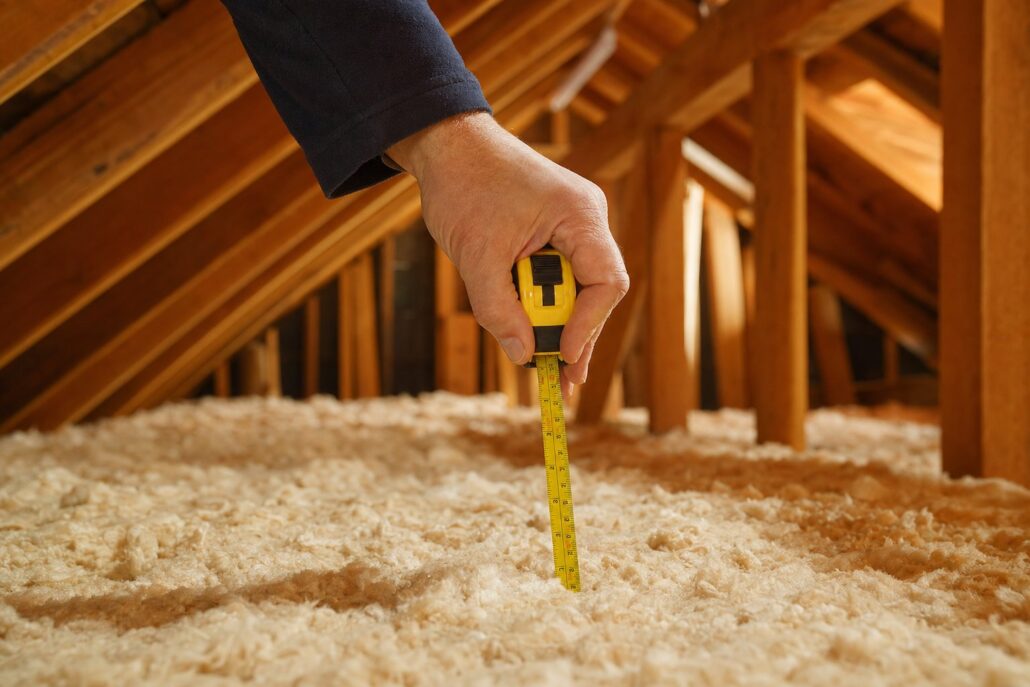
Two properties of identical age and construction can receive EPC ratings two bands apart — not because they are different, but because one owner prepared properly for the assessment and the other did not. Half an hour spent before your EPC assessor arrives can be the difference between a D and a C.
EPCs in England and Wales are evidence-based. The assessor cannot give you credit for insulation, glazing, or heating upgrades they cannot see or measure. That is the single most common reason efficient properties end up with disappointing ratings — and the easiest one to fix.
WHAT YOUR ASSESSOR ACTUALLY LOOKS AT
A domestic EPC inspection typically takes 30 minutes to an hour. During the visit, your accredited Domestic Energy Assessor will check, measure, and photograph:
- External walls: Thickness, construction type (solid or cavity), and any visible insulation
- Loft insulation: A head-and-shoulders inspection of the loft, with depth measured and photographed
- Heating system: Boiler make and model (vital for an accurate rating), heat pumps, radiators, and any thermostats, programmers, or thermostatic valves
- Hot water: Combi boiler or cylinder, and the cylinder insulation thickness if present
- Windows: Single, double, or triple glazing, age, and gap thickness on double glazing
- Lighting: Number of fittings and number of energy-efficient bulbs
- Bathrooms: Habitable rooms, baths, showers, and the type of shower (mixer or electric)
- Floor area: A basic floor plan to calculate heat loss
- Front, rear, and side elevations: External photographs
HOW TO PREPARE — THE FIVE-POINT CHECKLIST
1. Provide loft access
The biggest, easiest win. If the assessor cannot get into the loft, they cannot credit you for the insulation. Move boxes away from the hatch and provide a ladder if needed. If access is unsafe — for example, hatch directly above stairs — have your installation certificate ready as alternative evidence.
2. Find your installation certificates
Any insulation that has been added since the property was built — cavity wall insulation, external wall insulation, room-in-roof insulation, floor insulation — will not be visible on the day. Without documentation, the assessor must default to the lowest assumed value. Find paperwork for:
- Cavity wall insulation: CIGA guarantee or installer certificate
- External wall insulation: Installer paperwork showing thickness and material
- Loft insulation upgrades: Receipts or installer letters showing depth
- Floor insulation, room-in-roof insulation, or solid wall insulation: Installer paperwork in all cases
3. Clear access to the boiler and cylinder
The assessor needs to photograph the make and model plate on your boiler. If it is behind boxes or buried in an airing cupboard, clear it before they arrive. The model number directly affects the rating — a boiler assumed at default efficiency scores worse than the same boiler with its actual model number entered.
4. Make heating controls obvious
Thermostats, programmers, and thermostatic radiator valves all contribute points. If you have them, make sure they are visible and labelled. If you have a smart thermostat, leave the app open on your phone — the assessor can include it in the assessment.
5. Switch the energy-saving bulbs back in
If you have moved any older incandescent or halogen bulbs back into rooms for any reason, swap them out for LEDs before the visit. The proportion of low-energy lighting is one of the simplest line items on the assessment, and it makes a meaningful difference.
COMMON PITFALLS THAT COST YOU POINTS
- Hidden meter: The assessor needs to see the gas and electricity meters. Behind a fridge or in a locked cupboard means they may have to estimate
- Unmarked solar PV: If you have solar panels, have the MCS certificate ready. Without it, the system may not be included
- No paperwork on a recent boiler: A new A-rated boiler with no documentation will be entered as the lowest default for its installation year
- Decluttered for sale photos but not for the EPC: Personal items are fine, but blocked access points (loft, boiler, meters) hurt the rating
- Assessor cannot enter a room: Locked rooms get the lowest assumed value for their construction
FREQUENTLY ASKED QUESTIONS
How long does an EPC last?
Ten years. If your EPC is from before June 2025, it was produced under the previous RdSAP methodology and may be worth refreshing under the new RdSAP 10 methodology, which is more generous to certain property types.
Can I improve my rating without doing any physical work?
Sometimes, yes. If a previous assessor missed evidence — for example, did not see your cavity wall insulation or had no model number for the boiler — a fresh assessment with proper documentation can bump the rating up by one or even two bands.
How much does an EPC cost?
A typical domestic EPC in Oxfordshire is around GBP 65 to GBP 120 depending on property size. It is one of the cheapest pieces of compliance paperwork you will ever need.
Do I need to be present?
Not necessarily, but it helps. Someone needs to provide access and answer any quick questions. If you cannot attend, leave certificates on the kitchen table and brief the assessor by phone.
BOOK AN EPC ASSESSMENT
E8 Property Services has carried out thousands of EPC assessments across Oxfordshire. We will tell you exactly what to prepare before our visit so your property gets the rating it deserves.
Book an EPC assessment or call 01865 339535.

